

 Showroom
 Your Home
 Install & Service
 Products
 Why To Buy
 About Us
 GenMonitor
 Find A Location
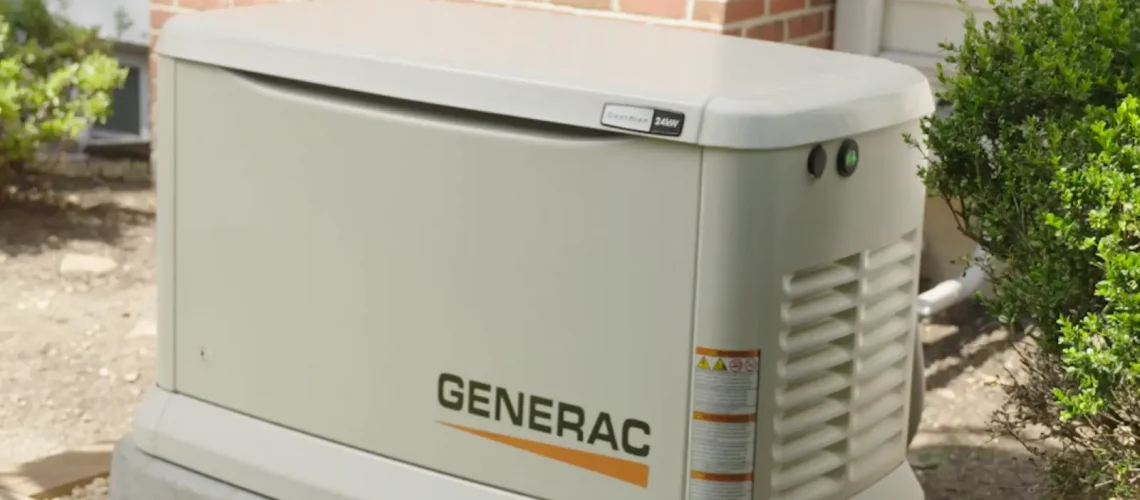
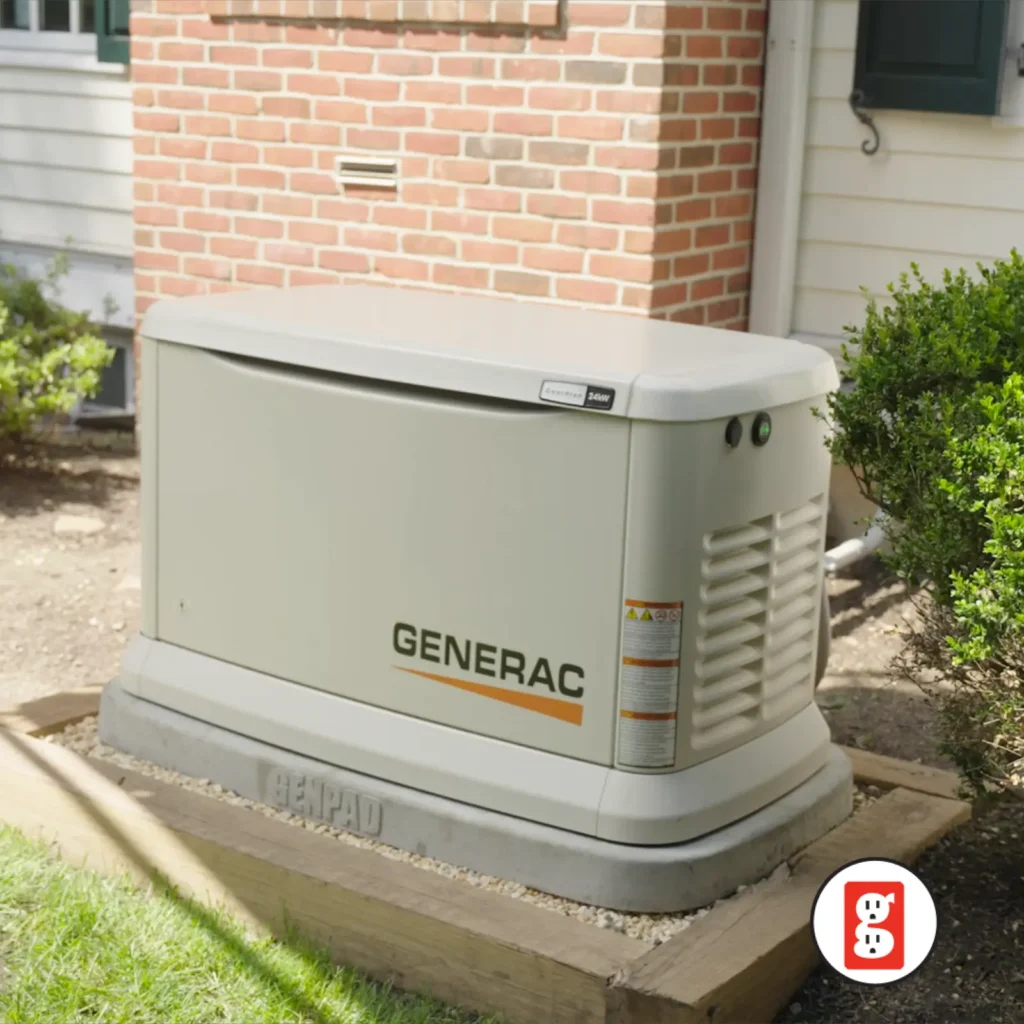
Installing a whole-home generator requires more than just selecting the right size and model; it’s also essential to know where to put your generator to ensure its performance, safety, and compliance. When your system is properly placed, you can rest assured that your generator runs efficiently, meets local codes, and is prepared to protect your home and family.
If you’re wondering where to put your whole-home generator, keep reading to learn why generator placement matters, how to determine the best location for your generator, and the crucial role of professional installation.
Why Generator Placement Matters
First, let’s discuss why generator placement is so important. One of the most significant reasons is that the generator’s placement affects its airflow, cooling, and noise levels. It should be accessible but not intrusive to your outdoor space.
Furthermore, improper placement can lead to carbon monoxide buildup or fire hazards, putting your home and family at risk. Because of this, local codes and manufacturer guidelines lay out specific requirements for clearance and distance.
Where to Put Your Generator: Key Factors to Consider
As you decide where to put your generator, here are some key factors to consider.
Distance from the Home
Your generator’s placement must comply with manufacturer and local code requirements. Typically, they must be at least 18 to 24 inches from the home and 5 feet from openings such as doors, vents, and windows. This ensures that exhaust fumes can dissipate safely.
Access to Fuel Source
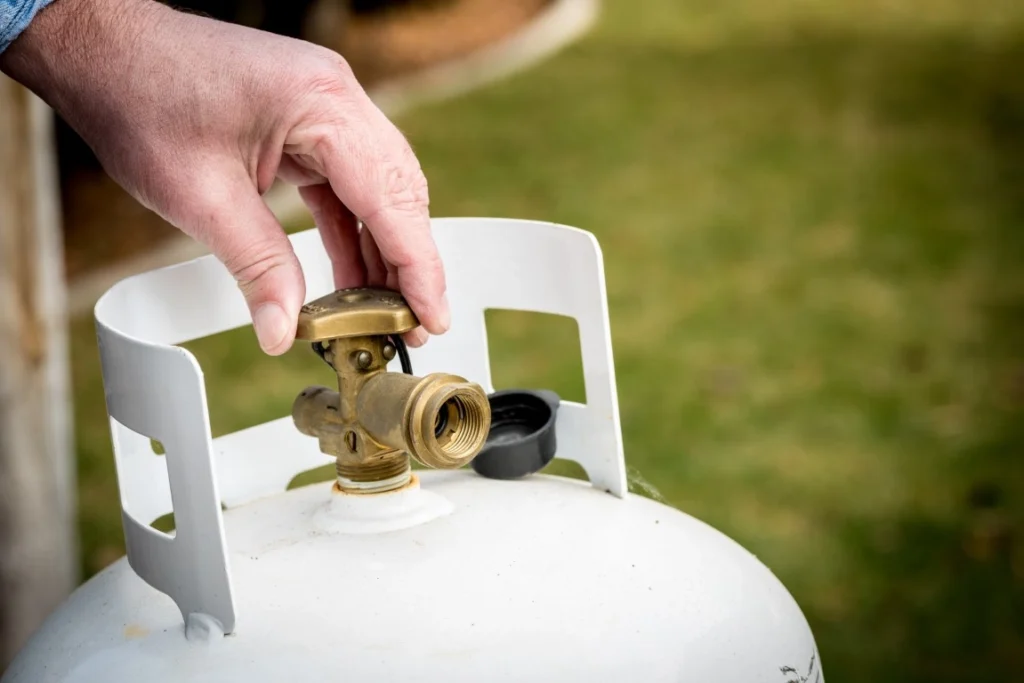
When you’re figuring out where to put your whole-home generator, consider what type of fuel it needs. Natural gas systems should be placed near the gas meter for easier connections. Propane-powered systems should be close to the fuel tank but still need to meet clearance requirements. The right placement can reduce installation costs and maximize fuel efficiency.
Proximity to the Electrical Panel
Place the generator near the electrical service panel to minimize the length of wiring needed. Not only does this reduce costs, but it also ensures faster power transfer during outages.
Ventilation and Airflow
For proper cooling and safe operation, all sides of the generator should have clear space. Because of this, you should avoid areas like enclosed patios or corners where air could become trapped.
Elevation and Drainage
If you’re deciding where to put your generator, consider elevation and drainage. The generator should be placed on a level, stable surface like a concrete pad. Avoid low-lying areas that could flood or collect snowmelt.
Noise Considerations
Modern generators are designed to be as quiet as possible, but no generator is completely silent. Avoid installing your generator near bedrooms, patios, or neighboring property lines whenever possible to ensure your home remains peaceful.
Local Requirements
Your city may have specific codes regarding where to put generators and fuel hookups. When you work with Generator Supercenter of Northern Utah, we’ll handle all the permitting and inspections, ensuring complete compliance and safety.
Common Mistakes to Avoid
As you figure out where to put your whole-home generator, avoid these common mistakes:
- Installing it too close to windows or doors.
- Placing the generator in an enclosed area like a garage or crawlspace.
- Ignoring local permit requirements or HOA rules.
- Failing to plan for fuel line routing or maintenance access.
How We Determine Where to Put a Whole-Home Generator
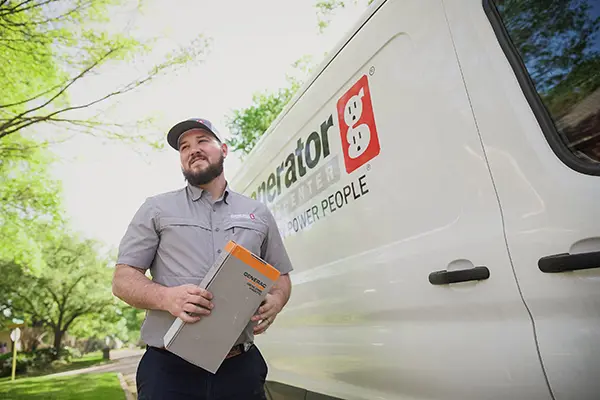
At Generator Supercenter of Northern Utah, we’re experts in knowing where to put whole-home generators. Here’s our process for determining the best placement:
- Site evaluation: First, our technicians inspect the property’s layout, fuel access points, and electrical setup requirements.
- Code compliance: We ensure the installation plan meets national and local safety standards.
- Custom recommendations: Based on the results of our evaluation, we choose a location that balances safety, efficiency, and visual appeal.
- Professional installation: Our team takes care of everything, from pad setup to fuel line connection to final inspections.
Additional Tips for Homeowners
Knowing where to put your whole-home generator is just the beginning. It’s also crucial to keep the area around your generator clear all year round — this means keeping snow piles, debris, and landscaping away. If your generator is exposed to heavy snow or wind, consider adding a weather enclosure or cover to protect it from the elements.
Furthermore, it’s smart to schedule annual maintenance to keep your system running efficiently and ensure it’s ready to power your home whenever you need it.
Trust Generator Supercenter of Northern Utah
At Generator Supercenter of Northern Utah, we do everything we can to provide safety, efficiency, and peace of mind during power outages. Our professional placement and installation services prevent costly mistakes and ensure long-term reliability. Contact us today to start the site assessment process and receive expert guidance on where to put your whole-home generator.