

 Showroom
 Your Home
 Install & Service
 Products
 Why To Buy
 About Us
 GenMonitor
 Find A Location
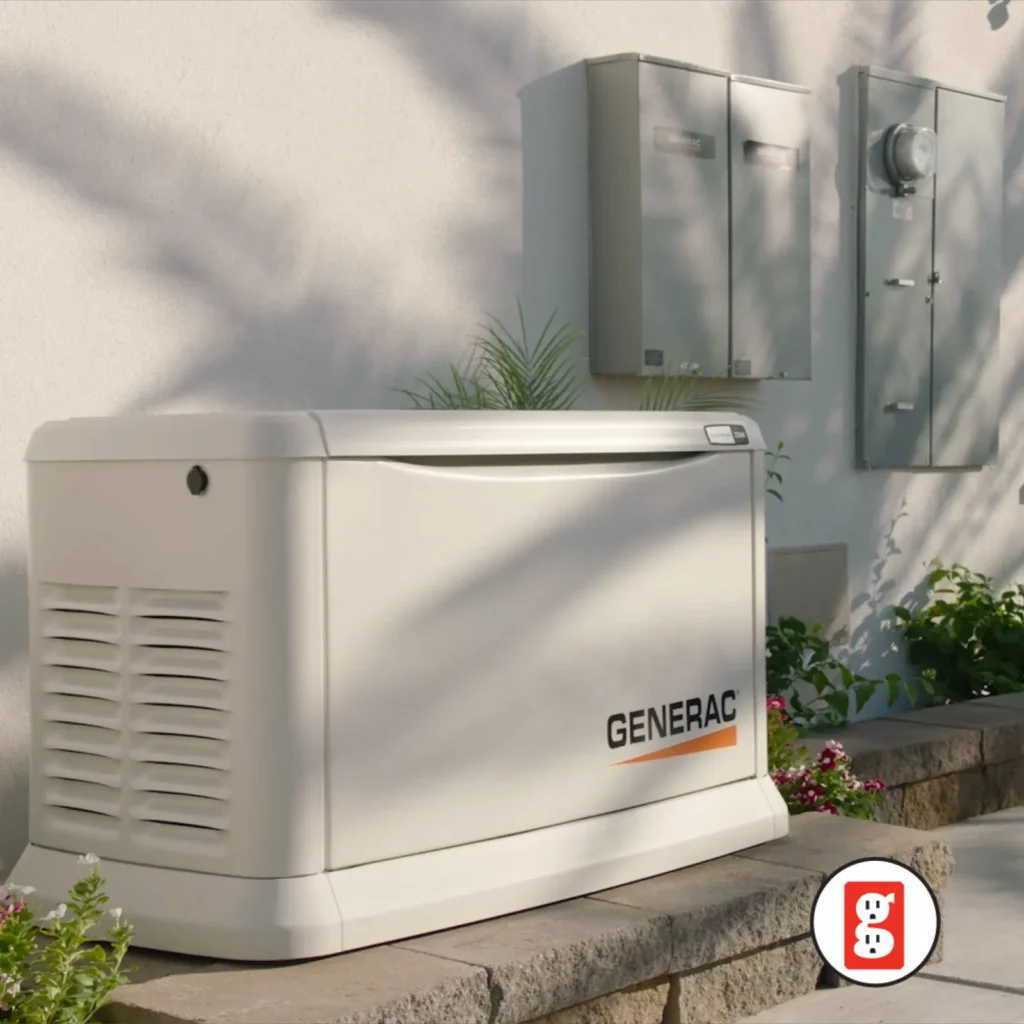
No matter where you live, it’s important to be prepared for situations where you may not have power. Whether it’s planned maintenance, a natural disaster, or a severe storm, a whole-home generator is the best way to ensure reliable backup power during an outage.
If you’re considering investing in a whole-home generator, you’re faced with an important choice regarding fuel sources: Should you plan to use natural gas, propane, or both?
At Generator Supercenter of Salt Lake City, we want you to have all the information you need to make the right decision about fueling your whole-home generator. That’s why we’re presenting this guide to natural gas vs. propane to help you understand when each fuel option makes the most sense.
Understanding Fuel Options for Whole-Home Generators
Natural gas and propane both achieve the same goal: powering your whole-home generator. However, each type of fuel has its pros and cons. When you understand the differences between these two options, you can choose the one that works best for your needs.
Natural gas lines provide a consistent, uninterrupted supply to your generator — as long as the infrastructure remains intact. If there’s a major disaster like an earthquake or flood, you may not be able to access natural gas to fuel your generator.
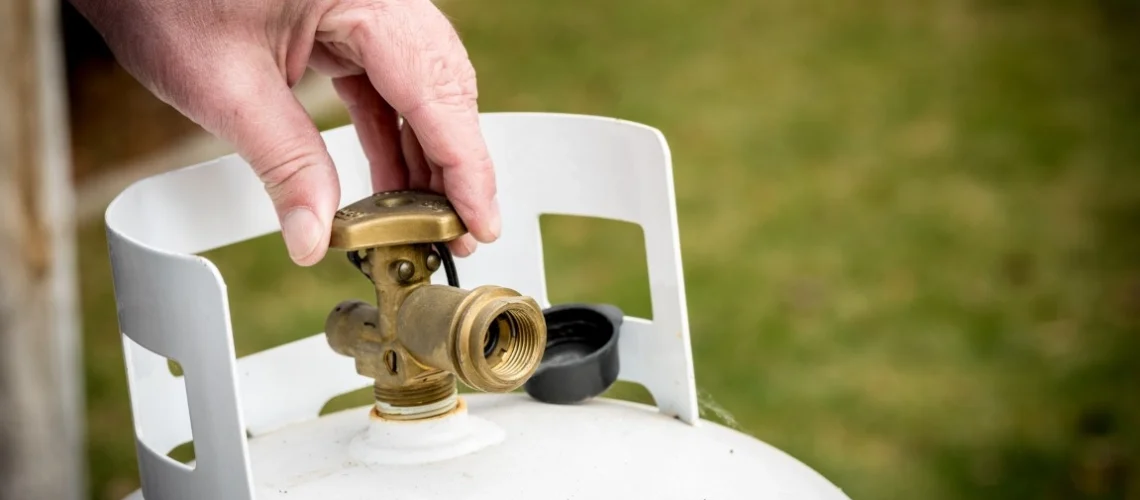
Propane, on the other hand, is stored onsite in a tank and can be used in rural areas without natural gas service. It’s often more reliable in a natural disaster than natural gas. However, if you use up your propane supply, you’re out of luck.
When to Use Natural Gas for Your Generator
If your neighborhood has reliable natural gas infrastructure, using natural gas to fuel your generator is ideal. It’s far more convenient than propane tanks, with no need for tank refills or deliveries. Plus, its continuous supply makes it ideal for long-term outages.
Natural gas is also more environmentally friendly than propane. It burns cleanly and produces fewer emissions, making it better for eco-conscious homeowners.
When to Use Propane for Your Generator
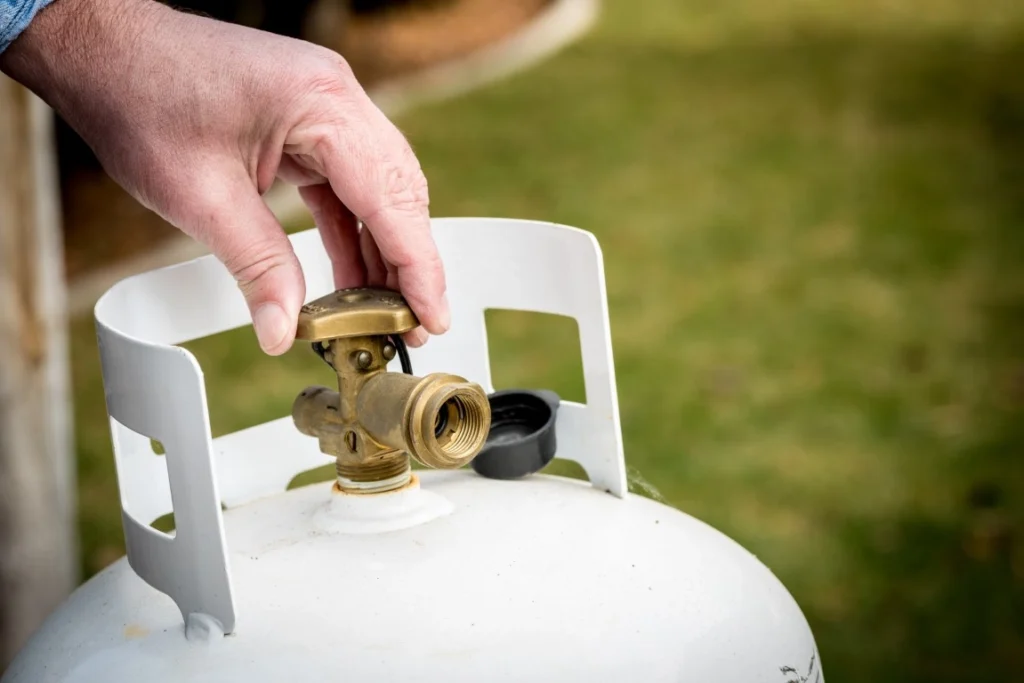
One of the biggest strengths of propane is that it can act as a backup if natural gas service becomes unavailable due to seismic activity or line damage. This means it’s best for rural or remote locations where access to natural gas lines is limited.
Some homeowners would prefer to have independence from utility companies, and propane allows them to control their own fuel storage. Plus, tanks are available in multiple sizes, allowing flexibility for short-term and long-term fuel needs.
When to Use Both Natural Gas and Propane
In many situations, it’s beneficial to use a combination of natural gas and propane to fuel your whole-home generator. If natural gas lines fail, propane can serve as a backup. This allows you to take advantage of whichever fuel source is more accessible or cost-effective at the time.
These dual fuel systems are especially ideal for areas like Utah where the weather is unpredictable and earthquakes are common. That way, you won’t have to worry about being without power when you need it most.
Choosing the Best Fuel Option for Your Home
As you navigate the important decision between fuel options for your home, there are a few factors to keep in mind and some questions to ask yourself:
- Location: Do you live in a rural or urban area, and do you have space to store propane tanks?
- Utility reliability: Is natural gas access reliable in your area, or does your region lack the right infrastructure?
- Homeowner priorities: What do you value most? Convenience, independence, preparedness, sustainability, or a combination of factors?
- Budget: How big is your budget for installation and ongoing fuel costs?

Cost Considerations
Speaking of budget, let’s take a closer look at the cost of different types of fuel. Natural gas is typically more cost-effective in the long run, making it better for homeowners on a budget. Propane prices can fluctuate, and if you get it delivered, there may be extra fees.
For a fair cost comparison, multiply the cost per gallon of propane by 1.09. Compare that to the cost of one therm of natural gas.
Dual-fuel generator systems may come with a higher upfront cost, but they can save you money and stress in the long run by offering flexibility.
Whole-Home Generators That Fit Your Needs
If you’re unsure which type of generator is best for your home, you’re in the right place. Our team at Generator Supercenter of Salt Lake City would love to talk with you about your unique needs, priorities, and budget to determine the perfect whole-home generator for you. Contact us today to get started!